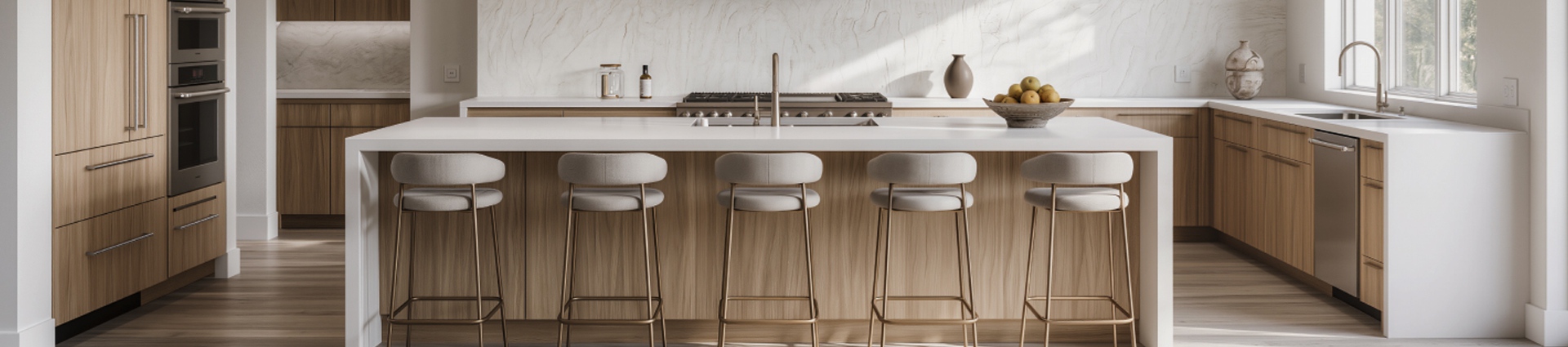
Hotel dining spaces require furniture that can balance visual appeal, guest comfort, durability, and maintenance efficiency. Unlike residential dining areas, hotel restaurants, breakfast rooms, lounges, and banquet spaces usually experience continuous daily usage, which means Dining Chairs must perform consistently under frequent movement and repeated cleaning.
Selecting suitable dining chairs for hotels is not only about matching the interior style. The chair structure, upholstery material, seating comfort, dimensions, and manufacturing quality all influence the final guest experience. A practical hotel dining chair selection process helps create a space that looks refined while maintaining long-term usability.
Hotel environments have higher expectations for furniture performance. A dining chair placed in a hotel restaurant may be used by hundreds of guests every week, requiring stronger structures and more durable materials.
The main differences usually appear in four areas:
| Comparison Factor | Hotel Dining Chairs | Residential Dining Chairs |
|---|---|---|
| Usage Frequency | High daily usage | Moderate household use |
| Durability Requirement | Stronger structure and materials | General durability |
| Maintenance | Frequent cleaning required | Less frequent maintenance |
| Design Requirement | Must match hospitality style | Mainly personal preference |
Because hotels need consistent furniture across multiple spaces, manufacturers usually pay more attention to product standardization and production stability.
Dining chairs are an important part of the overall atmosphere. A suitable chair should support the design concept while maintaining practical performance.
For modern hotel restaurants, simple lines, metal structures, and neutral upholstery colors are commonly selected because they create a clean and flexible appearance.
For premium dining areas, upholstered chairs with comfortable back support can provide a more relaxed experience. Fabric, leather, and mixed materials allow designers to create different visual effects.
The selection process should consider:
Interior color system
Table design
Lighting environment
Space size
Expected customer experience
A well-designed dining area requires furniture that works together rather than focusing on a single product.
Material selection directly affects appearance, comfort, and maintenance costs. Hotels usually need materials that can maintain their condition after frequent use.
Common options include:
| Material | Advantages |
|---|---|
| Metal Frame | Strong structure and suitable for heavy use |
| Fabric Upholstery | Comfortable texture and various design options |
| PVC Surface | Easy cleaning and practical maintenance |
| Wood Elements | Natural appearance and warm atmosphere |
For restaurants with high turnover, easy-clean surfaces can reduce daily maintenance workload. For luxury dining spaces, softer upholstery materials may provide a better guest experience.
Manufacturers usually recommend selecting materials according to the actual environment instead of simply choosing the most premium option.
Guest comfort directly affects how people experience a hotel restaurant. A chair that looks attractive but lacks proper support may reduce satisfaction during longer meals.
Important comfort factors include:
| Design Element | Influence |
|---|---|
| Seat Height | Determines correct sitting posture |
| Backrest Angle | Provides body support |
| Cushion Density | Affects long-term comfort |
| Seat Depth | Influences overall sitting experience |
For hotels serving breakfast, business meals, or extended dining sessions, comfort should be considered together with appearance.
Before confirming a large quantity, sample evaluation is an important step. It allows manufacturers and purchasers to confirm whether the product meets expectations.
The evaluation process should include:
Checking frame stability and connection quality
Reviewing material appearance and texture
Testing sitting comfort
Confirming dimensions with tables and room layouts
A reliable hotel furniture supplier should be able to provide clear product information and support adjustments before production.
Meet U develops dining chairs, bar stools, Leisure Chairs, and other seating solutions with OEM and ODM support, helping different hospitality spaces achieve consistent furniture requirements.
Some hotel furniture decisions focus too much on appearance while ignoring long-term performance.
Common issues include:
Choosing materials that are difficult to maintain
Ignoring the relationship between chair size and space layout
Selecting designs without testing comfort
Reducing quality to achieve a lower initial cost
A hotel dining chair should be evaluated as a long-term investment. Stable structure, suitable materials, and comfortable design help reduce replacement frequency and maintenance pressure.
Experienced manufacturers can provide suggestions during the early design stage, including material selection, structure optimization, and production feasibility.
This cooperation helps ensure that the final chairs not only match the visual requirements but also meet practical needs during daily operation.
A successful hotel dining space depends on the connection between design intention and real-world performance. The right chair should enhance the atmosphere while supporting comfortable and reliable use over time.
Share models, materials, quantity and timeline. We reply within 24 hours.


Monday - Friday: 9:00 AM - 6:00 PM (CST)
Saturday: 9:00 AM - 12:00 PM
Sunday: Closed