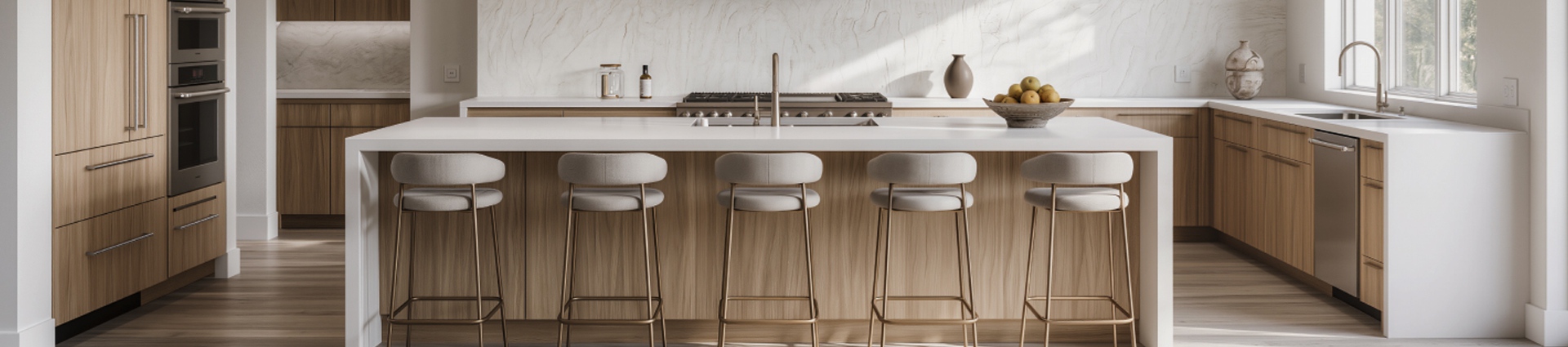
Restaurant seating affects more than the appearance of a dining space. The right chairs influence customer comfort, space utilization, maintenance efficiency, and long-term operating costs. A restaurant may have an attractive interior design, but unsuitable seating can create problems such as uncomfortable dining experiences, difficult cleaning, or frequent replacements.
Selecting suitable restaurant chairs requires a complete evaluation of usage conditions, design style, material performance, and manufacturing quality. A practical restaurant seating selection tips approach helps avoid decisions based only on appearance and focuses on how chairs perform in real commercial environments.
Restaurant spaces have different operating patterns. A busy café, a fine dining restaurant, and a hotel dining area may all require different seating solutions.
Before choosing chairs, several factors should be evaluated:
| Consideration | Impact On Restaurant Seating |
|---|---|
| Usage Frequency | Determines required durability and structural strength |
| Space Layout | Affects chair size, movement, and seating capacity |
| Cleaning Requirements | Influences suitable materials and finishes |
| Interior Style | Ensures furniture matches the overall atmosphere |
| Customer Comfort | Improves dining experience and satisfaction |
A chair designed for occasional home use may not perform well in a commercial environment where it is moved, cleaned, and used repeatedly every day.
Space planning is one of the first steps in restaurant furniture selection. The chair size, table dimensions, and walking paths need to work together.
Oversized chairs may create a luxurious feeling but reduce available seating capacity. Smaller chairs may save space but affect customer comfort during longer meals.
Important layout factors include:
Distance between tables
Available aisle space
Chair movement requirements
Storage needs during cleaning or events
Manufacturers often recommend confirming table height and room dimensions before finalizing chair specifications. This prevents problems after installation.
Material selection directly affects durability, maintenance, and visual performance. Different restaurant concepts require different combinations.
Metal frames are commonly used when strength and easy maintenance are priorities. Upholstered seats provide additional comfort for restaurants where customers spend longer periods dining. Wooden elements create a warmer appearance suitable for classic or natural interior concepts.
A suitable material combination depends on:
| Material Type | Suitable Application |
|---|---|
| Metal Frame | High-use dining areas and modern spaces |
| Upholstered Seat | Premium restaurants and hospitality spaces |
| Wood Structure | Warm and traditional interior styles |
| Mixed Materials | Flexible designs combining appearance and function |
A professional commercial chair supplier can provide different material solutions according to application requirements.
Comfort directly influences customer experience. A chair should provide proper support while allowing customers to sit naturally throughout a meal.
Important comfort factors include:
Seat depth
Backrest angle
Cushion thickness
Seat height
Edge design
For restaurants with longer dining times, additional support in the backrest and seat cushion can improve comfort. For fast-service environments, lightweight and easy-to-clean designs may be more practical.
Before large-scale production, manufacturers should evaluate chair structure and appearance through different inspection stages.
Common checks include:
| Inspection Item | Purpose |
|---|---|
| Frame Stability | Ensures safe daily use |
| Connection Strength | Prevents loosening after repeated movement |
| Surface Finish | Maintains appearance quality |
| Dimension Accuracy | Keeps product consistency |
| Assembly Check | Confirms installation performance |
At Meet U, furniture development focuses on balancing design requirements with practical manufacturing standards to create seating products suitable for different commercial applications.
Many problems happen when buyers focus only on visual design and ignore actual usage conditions.
Common mistakes include selecting materials that are difficult to maintain, choosing unsuitable sizes for the space, or failing to confirm samples before production.
A better approach is to evaluate chairs from three perspectives:
How the chair will be used every day
How the chair will be maintained over time
How the chair fits the overall space design
A well-selected chair should support both customer experience and efficient restaurant operation.
Furniture suppliers with commercial experience understand the differences between residential and restaurant applications. They can provide suggestions regarding structure, materials, production methods, and customization options.
The right selection process connects design, functionality, and manufacturing feasibility. This helps create restaurant seating that remains attractive, comfortable, and reliable throughout long-term use.
Share models, materials, quantity and timeline. We reply within 24 hours.


Monday - Friday: 9:00 AM - 6:00 PM (CST)
Saturday: 9:00 AM - 12:00 PM
Sunday: Closed