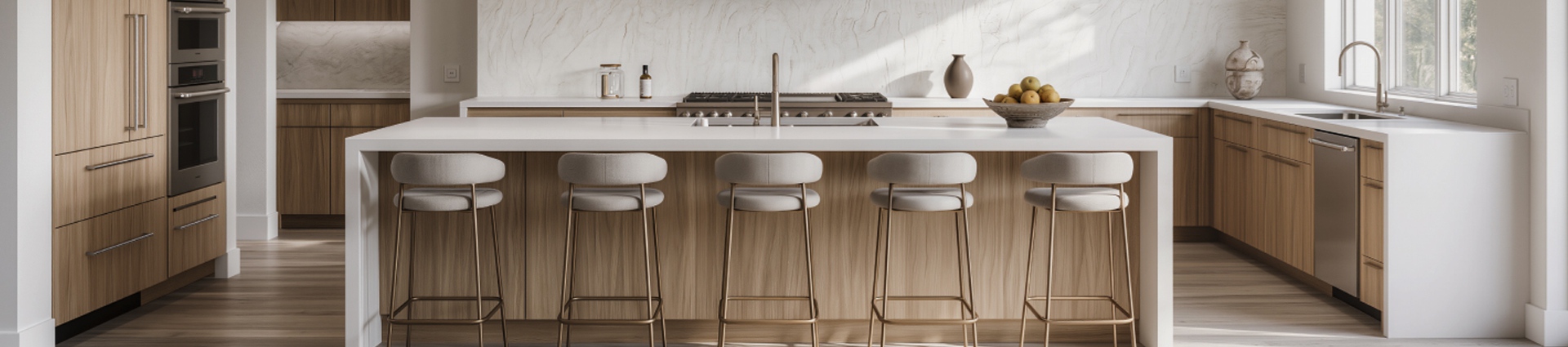
Factory direct furniture has become an important sourcing method because it provides closer communication, better customization possibilities, and more control over product quality. Instead of purchasing through multiple distribution layers, direct cooperation with manufacturers allows furniture development to be connected more closely with actual production.
The main factory direct furniture benefits come from improved transparency, flexible customization, and efficient manufacturing processes. Understanding how direct sourcing works helps companies make better decisions when developing furniture collections or managing large orders.
Factory direct furniture refers to purchasing products directly from the manufacturer that handles production. The manufacturer manages processes such as material selection, product development, assembly, inspection, and packaging.
This approach creates a shorter connection between product requirements and manufacturing execution.
| Traditional Purchasing | Factory Direct Purchasing |
|---|---|
| Multiple communication stages | Direct manufacturer communication |
| Limited customization options | Flexible product adjustments |
| Less production visibility | Clear manufacturing process |
| Higher intermediary costs | More efficient cost structure |
Direct cooperation allows product requirements to be discussed with the people responsible for production.
Customization is one of the major advantages of working directly with manufacturers. Furniture requirements often involve specific dimensions, colors, materials, or design adjustments.
Through direct communication, manufacturers can support:
Product modifications
Material selection
Color matching
Packaging customization
New design development
For example, a restaurant furniture collection may require matching bar stools, Dining Chairs, and tables with consistent materials and finishes. Direct communication makes these adjustments easier to manage.
Understanding the production process helps improve quality control. Factory direct cooperation allows customers to receive clearer information about materials, manufacturing steps, and inspection procedures.
A reliable manufacturer should be able to explain:
Where materials are used
How products are assembled
What quality checks are completed
How production schedules are arranged
This transparency helps reduce misunderstandings and improves confidence during product development.
Cost advantages do not only come from lower purchase prices. Direct sourcing can also reduce hidden costs related to communication delays, product adjustments, and quality problems.
Potential cost improvements include:
| Cost Area | How Direct Manufacturing Helps |
|---|---|
| Product Development | Faster communication reduces adjustment time |
| Production | Better planning improves efficiency |
| Quality Control | Problems can be identified earlier |
| Packaging | Solutions can be optimized with manufacturers |
A direct furniture manufacturer can also provide suggestions for improving designs and production methods to achieve better cost performance.
Although direct sourcing offers many advantages, supplier evaluation remains important.
Key areas include:
Manufacturing experience
Production capability
Quality management
Customization ability
Communication efficiency
A factory should not only produce furniture but also understand how design decisions influence production results.
Furniture trends and customer preferences continue to change. Direct cooperation makes it easier to update existing products or develop new collections.
Manufacturers can participate earlier in the development process by providing suggestions about:
Structure optimization
Material suitability
Production feasibility
Cost control
This cooperation helps transform creative ideas into practical furniture products.
Long-term furniture sourcing depends on stable quality, reliable communication, and continuous improvement. Direct relationships create better opportunities for manufacturers and customers to understand each other's requirements.
Factory direct furniture is not only a purchasing method but also a way to build a more efficient product development process. When design, manufacturing, and quality control work together, furniture products can achieve better consistency and long-term value.
Share models, materials, quantity and timeline. We reply within 24 hours.


Monday - Friday: 9:00 AM - 6:00 PM (CST)
Saturday: 9:00 AM - 12:00 PM
Sunday: Closed