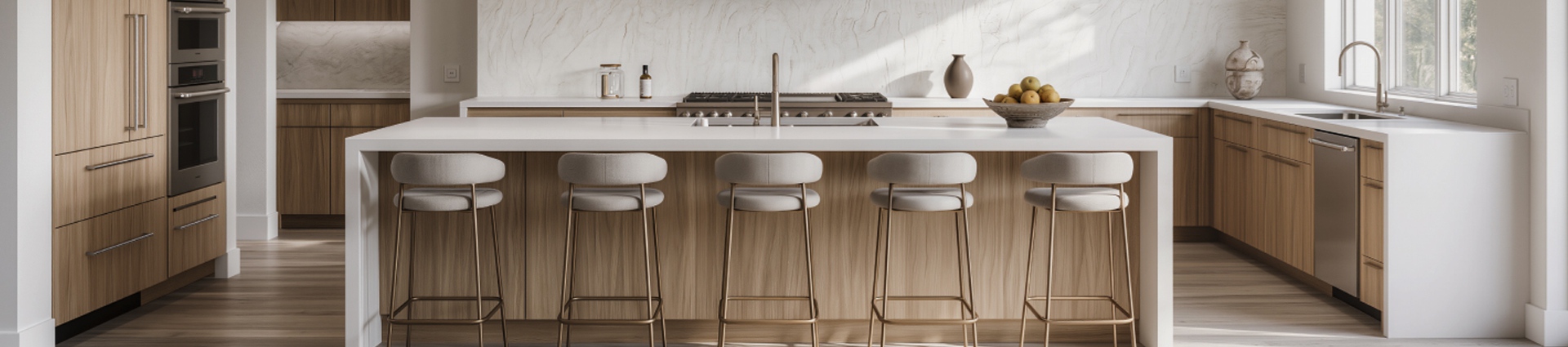
oem furniture production allows businesses to develop products based on specific designs, market requirements, and brand needs while relying on professional manufacturing capabilities. Instead of building their own production systems, many companies choose OEM solutions to improve efficiency, expand product collections, and maintain consistent quality.
The advantages of OEM furniture manufacturing go beyond production outsourcing. A well-managed OEM process combines design communication, material selection, manufacturing control, and quality management to create furniture products that meet specific market expectations.
OEM production usually begins with product requirements and design confirmation. Manufacturers transform concepts, drawings, or existing product references into practical production solutions.
The typical process includes:
| Production Stage | Main Purpose |
|---|---|
| Requirement Analysis | Understand product specifications and market needs |
| Sample Development | Confirm design, materials, and structure |
| Production Preparation | Arrange materials and manufacturing processes |
| Mass Production | Create products with consistent standards |
| Quality Inspection | Verify finished product performance |
This structured process helps reduce communication problems and improves production efficiency.
Building an internal furniture production system requires investment in equipment, skilled workers, material supply chains, and quality management.
OEM manufacturing allows companies to access professional production resources without managing every manufacturing detail.
Key benefits include:
Lower investment requirements
Faster product development
Flexible production capacity
Professional manufacturing support
This approach allows businesses to focus more on product positioning, sales channels, and customer relationships.
Customization is one of the main advantages of OEM furniture production. Different markets may require different colors, materials, sizes, or functional designs.
OEM services can support adjustments such as:
Upholstery materials
Frame finishes
Product dimensions
Packaging styles
Product combinations
A custom furniture manufacturer with strong development capability can help transform design concepts into products suitable for real production.
Quality consistency is one of the most important concerns in furniture manufacturing. Professional OEM suppliers usually establish production standards to ensure that every batch maintains similar appearance and performance.
Quality control may include:
Material verification before production
Structure inspection during manufacturing
Assembly testing
Final appearance checks
For products such as Dining Chairs and bar stools, stable production quality is especially important because small differences between units can affect the overall appearance of a completed space.
OEM manufacturing provides flexibility when developing new furniture collections. Companies can introduce new designs without completely changing their existing supply structure.
Manufacturers can support:
New product development
Seasonal collections
Market-specific designs
Product updates
This flexibility helps businesses respond faster to changing customer preferences.
Clear communication is essential before production begins. Important details should be confirmed, including:
Product drawings and specifications
Material requirements
Color standards
Packaging details
Production schedule
A detailed confirmation process reduces errors and ensures that the final products match expectations.
Long-term cooperation requires more than producing a single order. Stable manufacturing processes, consistent quality, and continuous improvement create stronger supply relationships.
OEM furniture production provides a practical way to develop unique products while maintaining production efficiency. With proper planning and communication, customized furniture manufacturing can support continuous product growth and market expansion.
Share models, materials, quantity and timeline. We reply within 24 hours.


Monday - Friday: 9:00 AM - 6:00 PM (CST)
Saturday: 9:00 AM - 12:00 PM
Sunday: Closed