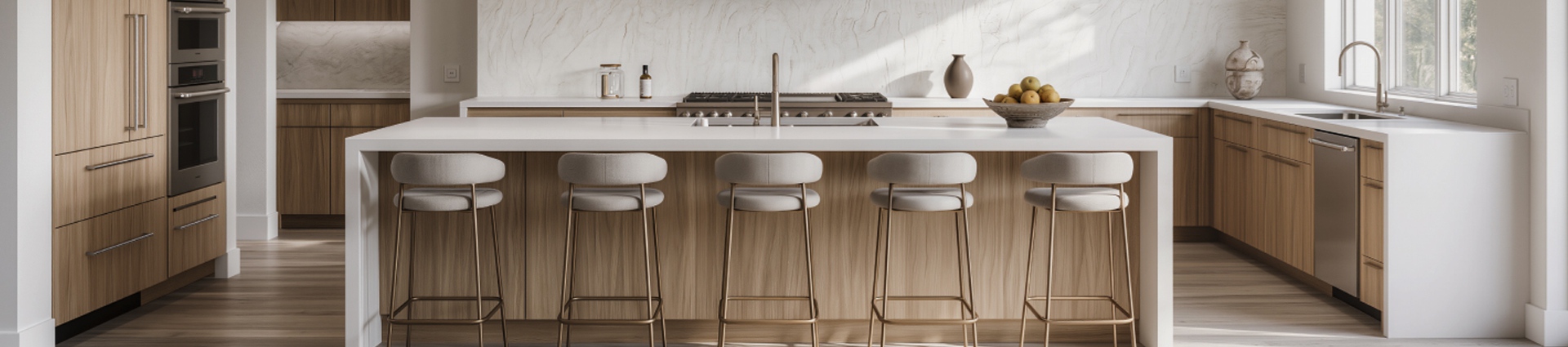
Reducing furniture purchasing costs does not simply mean selecting the lowest-priced products. For restaurants, hotels, retailers, and commercial spaces, the real challenge is controlling the total cost while maintaining product quality, design consistency, and supply stability. A lower purchase price may create additional expenses later if products require frequent replacement, have inconsistent quality, or cannot match market expectations.
A practical sourcing strategy helps control expenses from product development to final delivery. Working with the right supplier, optimizing materials, improving order planning, and reducing unnecessary production steps are all effective methods to reduce furniture sourcing costs without sacrificing product performance.
Furniture costs are influenced by many elements beyond the product itself. Material selection, manufacturing processes, customization requirements, order quantity, packaging, and transportation all contribute to the final purchasing budget.
A clear understanding of cost structure allows buyers to identify where savings can be achieved.
| Cost Factor | Impact On Furniture Pricing |
|---|---|
| Materials | Different fabrics, metals, and finishes influence product cost |
| Design Complexity | Unique structures may require additional development time |
| Order Quantity | Larger quantities usually improve production efficiency |
| Packaging | Optimized packaging can reduce shipping expenses |
| Production Process | Efficient manufacturing reduces unnecessary costs |
For example, a dining chair with a complex frame design may require more production steps than a standard structure. Adjusting certain details while keeping the original appearance can help achieve a better cost balance.
The selection of a suitable furniture supplier has a direct impact on long-term purchasing expenses. A supplier with stable production capabilities can reduce problems related to inconsistent quality, delayed delivery, and repeated modifications.
An experienced supplier usually provides better support in:
Material recommendations
Production planning
Product optimization
Packaging improvement
Quality control
Meet U works with different furniture categories, including bar stools, Dining Chairs, Leisure Chairs, and tables, supporting customers with practical manufacturing solutions based on product requirements.
Bulk purchasing can improve cost efficiency, but order quantity should be planned carefully. Large orders may reduce unit costs through improved production efficiency, while excessive inventory can increase storage pressure.
A reasonable order strategy should consider:
Market demand
Product sales cycle
Storage capacity
Future product updates
A professional bulk furniture supplier can help analyze order quantities and production schedules to achieve better cost control.
Product design has a significant influence on manufacturing expenses. Small changes in structure, materials, or assembly methods can create noticeable cost differences.
Cost optimization does not mean reducing product quality. Instead, manufacturers can improve efficiency through:
Simplifying unnecessary structural details
Selecting suitable materials for different applications
Improving production processes
Reducing material waste
For example, a well-designed chair frame can maintain strength while using fewer production steps, making the product more efficient to manufacture.
Packaging is often overlooked during purchasing decisions, but it directly affects transportation costs and product protection.
Good packaging design can help:
Reduce shipping volume
Improve container utilization
Prevent damage during transportation
Lower replacement costs
Manufacturers with export experience usually consider packaging during product development rather than treating it as a final step.
Poor quality products can create additional expenses through returns, replacements, customer complaints, and delayed projects.
A reliable quality management process helps control these risks by checking:
| Inspection Stage | Purpose |
|---|---|
| Material Inspection | Confirms raw material standards |
| Production Inspection | Detects process problems early |
| Assembly Check | Ensures product function and appearance |
| Final Inspection | Confirms shipment quality |
Reducing furniture purchasing costs requires a complete approach that considers price, quality, production efficiency, and long-term value. The most effective savings usually come from better planning and cooperation rather than simply choosing cheaper products.
Share models, materials, quantity and timeline. We reply within 24 hours.


Monday - Friday: 9:00 AM - 6:00 PM (CST)
Saturday: 9:00 AM - 12:00 PM
Sunday: Closed