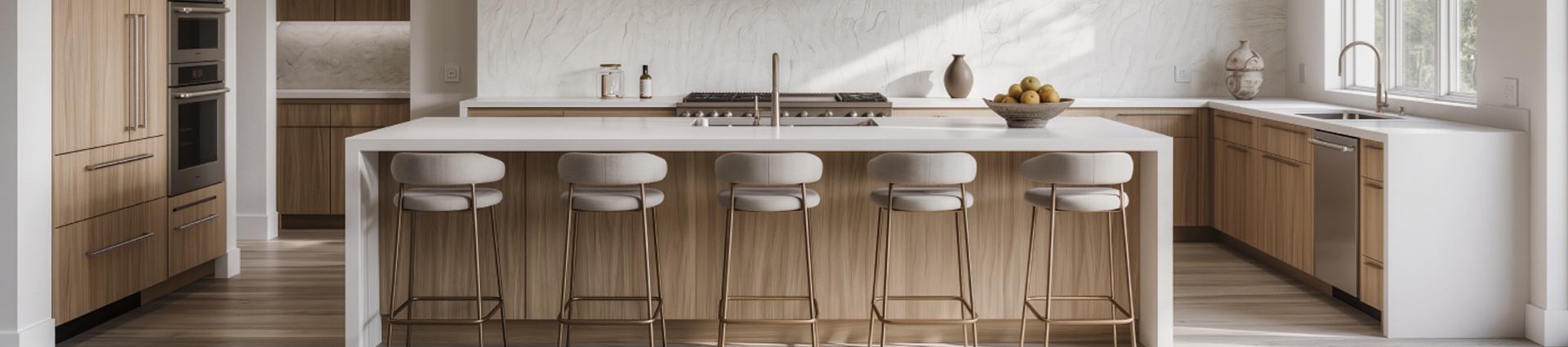
Chair quotations can differ significantly even when two products appear similar in photographs. Frame construction, upholstery, order quantity, testing requirements and packaging all influence the final cost. Understanding these variables helps purchasers compare quotations on equal terms and avoid selecting a low initial price that later creates quality, replacement or shipping expenses.
| Cost Element | Typical Variables | Effect on Price |
|---|---|---|
| Frame | Steel thickness, tube size, welding | Changes material use and strength |
| Upholstery | Fabric, PVC, foam density | Affects comfort and wear resistance |
| Function | Fixed, swivel, auto-return, adjustable | Adds mechanisms and assembly work |
| Finish | Paint type, coating thickness, color | Changes processing complexity |
| Packaging | Carton strength, protection, packing rate | Affects damage risk and freight |
| Quantity | Production volume and color mix | Influences unit manufacturing cost |
These are the main wholesale chair price factors, but their impact varies according to the chair design and intended application.
Steel tube dimensions and wall thickness influence both strength and material cost. A frame developed for continuous restaurant use may require stronger tubes, reinforced joints and more controlled welding than a lightweight chair intended for occasional residential use.
Seat materials create another major difference. Fabric grades vary in texture, abrasion performance and color consistency. PVC surfaces vary in thickness, backing and resistance to cracking. Higher-density foam generally provides better support and recovery, but it also costs more than low-density filling.
Purchasers should request clear material specifications instead of comparing a general description such as steel, fabric and foam.
Fixed chairs normally have fewer parts and simpler assembly requirements. Swivel, memory-return and height-adjustable chairs need additional mechanisms, fasteners and production controls. The quality of these components affects rotation smoothness, noise, stability and service life.
Testing also influences cost. Load tests, impact tests, swivel-cycle evaluations or third-party inspection may require samples, documentation and additional lead time. These expenses should be discussed at the quotation stage, especially for commercial programs.
Larger orders usually distribute tooling, material preparation and production setup costs across more units. However, one container divided into many colors and fabrics may still have a higher unit cost than the same quantity produced in one consistent specification.
Purchasing wholesale seating furniture by coordinated models, finishes and upholstery groups can improve production efficiency. Repeated orders based on approved materials may also reduce redevelopment work and limit batch differences.
Meet U evaluates quantity together with structure, upholstery, function and customization requirements rather than using one price for every chair configuration.
A low product price does not always produce the lowest landed cost. Fully assembled chairs occupy more container space, while knock-down structures may improve loading quantity but require suitable hardware, instructions and assembly control.
Carton strength, corner protection, wrapping materials and drop-test requirements can also change the quotation. Insufficient protection may reduce the initial packaging cost but increase damage claims after transportation.
Provide the following details when asking a bulk chair supply manufacturer for pricing:
Target model, dimensions and application
Frame material and preferred finish
Upholstery type, color and foam requirement
Fixed, swivel or adjustable function
Order quantity for each variation
Packaging, testing and destination requirements
A quotation based on complete specifications makes cost differences easier to explain. It also gives purchasers a clearer basis for balancing unit price, durability, freight efficiency and long-term replacement risk.
Share models, materials, quantity and timeline. We reply within 24 hours.


Monday - Friday: 9:00 AM - 6:00 PM (CST)
Saturday: 9:00 AM - 12:00 PM
Sunday: Closed