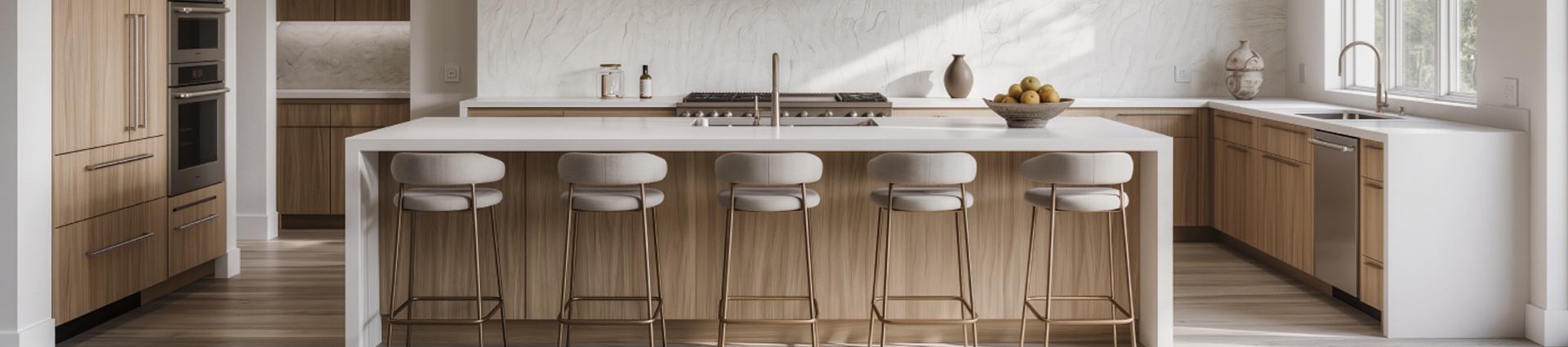
Dining chair demand is moving toward products that combine clean styling, everyday comfort, and easier placement across different interior schemes. In the broader market, this matters because furniture demand is still growing. One 2026 market estimate puts the global furniture market at about USD 729.61 billion in 2026, up from USD 691.78 billion in 2025, while another research source values the market even higher and also points to continued expansion through the next decade. That means style decisions still affect sell-through, but buyers are becoming more selective about versatility, comfort, and long-term value.
For Dining Chairs, the best-selling styles are no longer limited to one single look. What sells best globally is a group of styles that share a few common traits: softer lines, stronger visual warmth, better comfort, and easier compatibility with modern residential layouts. For manufacturers, that means success comes less from chasing novelty and more from building collections that fit current living habits.
One of the clearest directions in modern dining chair trends is the move toward curved silhouettes. Design coverage of 2025 furniture and interior launches repeatedly highlights rounded forms, sculptural outlines, and softer visual profiles instead of sharp, rigid geometry. This direction works well in dining chairs because curved backs and gentler seat transitions improve both appearance and comfort, making the product easier to place in apartments, dining rooms, and mixed-use open kitchens.
For export-oriented collections, this style sells well because it photographs well, feels current, and avoids becoming too niche. Chairs with wrapped backs, slightly rounded seat shells, and balanced proportions are more likely to fit a wider range of retail catalogs.
Comfort-led design is an important sales driver. Recent design reporting has emphasized tactile fabrics, layered comfort, and softer furnishing language as part of the shift toward warmer and more livable homes. That supports continued demand for upholstered dining chairs, especially styles that feel inviting without looking oversized. Buyers are not only looking at shape. They are also looking at how a chair performs in daily use, how it softens the room, and how easily it fits into family dining spaces.
This is one reason modern swivel dining chairs continue to attract attention in dining and multipurpose spaces. The swivel function adds flexibility, while upholstery adds visual warmth and everyday comfort. In homes where the dining area also connects to the kitchen or living room, this type of chair responds well to real usage patterns.
Material direction is also changing. Design coverage from late 2025 shows a stronger return of darker woods and richer warm finishes, while renewed interest in honey oak and other warmer timber looks shows that buyers are moving away from colder, flatter interiors. Dining chairs that pair upholstered seats with walnut-toned, smoked, or warm oak-inspired elements are therefore gaining broader appeal in the global market.
This does not mean heavy traditional styling is taking over. What sells best is still a modern frame, but with more warmth in surface tone. For manufacturers, this is an important balance. A chair can look contemporary while still feeling more welcoming and residential.
Another clear trend is the return of color. Multiple 2025 trend reports point to stronger interest in bold, expressive palettes after years of beige-heavy interiors. Fiery orange, earthy reds, olive, and deeper accent tones are becoming more visible in current design conversations. That gives color-based dining chair options more selling potential than they had a few years ago.
This is where products like orange dining room chairs can perform well, especially as statement pieces in smaller sets, curated collections, or accent-driven interiors. Bright tones still need control, but the market is clearly more open to warmth and personality than before. For sales planning, it is often more practical to keep neutral bestsellers as the core line and use orange, rust, terracotta, or clay-inspired finishes as selective expansion colors.
Style still leads the first impression, but sourcing is becoming part of the final buying decision. FSC consumer findings indicate that 66% of consumers expect companies to ensure the wood and paper products and packaging they sell are not contributing to deforestation, while 60% prefer products that do not contribute to climate change. FSC also reports broad consumer recognition of its label and stronger trust toward brands offering certified products.
For dining chair collections, this means styles built with responsibly sourced wood, credible supply-chain control, and durable materials have a better long-term market position. Attractive design gets attention, but better sourcing strengthens the commercial story.
| Style direction | Why it sells well | Market value |
|---|---|---|
| Curved modern chairs | Softer appearance, better comfort, easier styling | Broad appeal across residential collections |
| Upholstered chairs | Warmer look and stronger daily comfort | Strong demand in family dining spaces |
| Swivel dining chairs | Flexible function with a contemporary feel | Popular in open-plan homes |
| Warm wood combinations | Matches current demand for richer interiors | Easy fit for modern and transitional lines |
| Accent-color chairs | Adds personality without changing full collections | Useful for trend-led seasonal selling |
For a company like Meet U Furniture in Longjiang, Shunde, the opportunity is not only to follow trends, but to translate them into stable, sellable collections. The most commercial designs today are not overly decorative. They are clean, comfortable, and flexible enough for different residential markets. That is why modern dining chair trends are favoring shapes with softer lines, supportive upholstery, warmer finishes, and controlled color expression.
The styles that sell best are the ones that reduce selection risk for buyers. Curved profiles feel current, upholstery improves acceptance, swivel options add function, and warmer materials align with the direction of global interiors. When these elements are developed with stable structure and consistent production, the chair is easier to place in catalogs, easier to market online, and easier to keep relevant across more than one selling season.
Share models, materials, quantity and timeline. We reply within 24 hours.


Monday - Friday: 9:00 AM - 6:00 PM (CST)
Saturday: 9:00 AM - 12:00 PM
Sunday: Closed