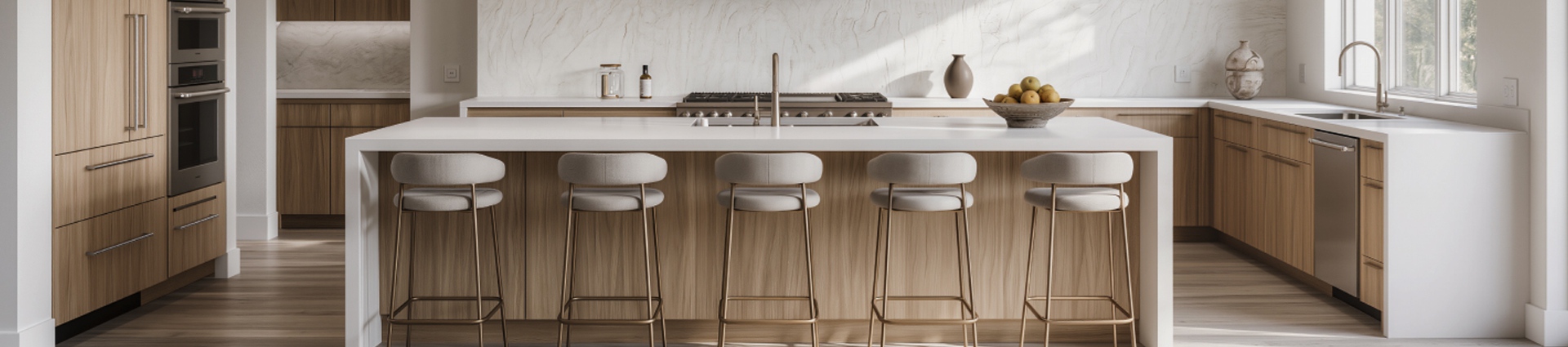
Cafe and bar furniture plays an important role in shaping customer experience. Seating is not only a functional element but also part of the atmosphere, brand image, and space efficiency. A suitable chair needs to match the interior concept while providing enough comfort for customers who may stay for short visits or extended periods.
Selecting the right cafe chairs requires consideration of several practical factors, including space layout, customer flow, material durability, cleaning requirements, and design consistency. Good furniture planning allows cafes and bars to create attractive environments while maintaining long-term operational efficiency.
The first step in selecting chairs is understanding how the space will be used. A small coffee shop with limited seating requirements may need compact designs, while a busy bar may prioritize durability and easy maintenance.
The ideal chair should balance three important aspects: appearance, comfort, and performance.
A beautiful chair can improve the visual effect of a space, but it also needs to withstand frequent daily use. Commercial environments require stronger structures and more reliable materials compared with ordinary home furniture.
Space planning directly influences chair selection. The size, shape, and arrangement of chairs determine how customers move through the space.
Before choosing furniture, manufacturers usually consider:
Available floor area
Table dimensions
Walking paths
Customer circulation
Cleaning convenience
For smaller cafes, lightweight chairs that can be easily moved may improve flexibility. Larger bars may require stronger seating solutions that remain stable during high-frequency use.
Good layout planning ensures that chairs improve the customer experience instead of limiting the functionality of the space.
Material selection affects both appearance and maintenance. Cafes and bars often require furniture that can handle repeated cleaning, frequent movement, and different environmental conditions.
Fabric upholstery can create a warm and comfortable atmosphere, making it suitable for relaxed dining spaces. Metal structures provide strength and are often used in modern commercial interiors. PVC or similar surfaces are practical choices when easy cleaning is a priority.
A professional cafe furniture supplier usually evaluates materials based on the actual application rather than recommending one universal solution.
Furniture style should support the overall design concept. The chair is often one of the first elements customers notice when entering a cafe or bar.
Modern spaces may benefit from simple lines, metal frames, and minimal designs. Natural-style cafes may prefer wooden elements and softer colors. Premium lounge areas may require upholstered seating with enhanced comfort.
When developing cafe seating solutions, manufacturers consider:
Interior theme
Color coordination
Customer experience
Space atmosphere
The goal is to create furniture that feels natural within the environment while maintaining practical performance.
Customer behavior has changed in many cafes and bars. People may work, meet friends, or spend extended time in these spaces, making comfort an important factor.
Chair comfort depends on:
Seat height
Back support
Cushion structure
Seat depth
Overall ergonomics
A chair that looks attractive but lacks support may negatively affect the customer experience. Manufacturers often test seating comfort during product development to achieve a balance between design and usability.
Before confirming production, sample evaluation helps identify possible issues.
The evaluation process should focus on:
Product dimensions matching the space
Material appearance and quality
Structural stability
Sitting comfort
Finishing details
Meet U develops different seating products, including cafe chairs, bar stools, Dining Chairs, and customized furniture solutions, helping customers create furniture collections suitable for various commercial spaces.
Many seating problems happen because decisions focus only on appearance.
Common mistakes include choosing chairs that are too large for the space, selecting materials that require difficult maintenance, or ignoring long-term usage conditions.
A better selection approach considers how the chairs will perform after months or years of daily use.
Suitable seating improves more than interior appearance. It supports customer comfort, efficient space usage, and easier daily management.
The right cafe chairs combine design, durability, and functionality. When these elements work together, furniture becomes an important part of creating a successful commercial environment.
Share models, materials, quantity and timeline. We reply within 24 hours.


Monday - Friday: 9:00 AM - 6:00 PM (CST)
Saturday: 9:00 AM - 12:00 PM
Sunday: Closed