Choosing chairs for retail stores requires more consideration than selecting furniture based only on appearance. Retail environments need seating that matches store functions, customer behavior, space planning, and brand style. The right chairs can improve customer experience, create comfortable waiting areas, and support better use of commercial spaces.
For furniture manufacturers, understanding different retail scenarios helps develop suitable retail furniture solutions that balance design, durability, and practicality. A successful chair collection should provide reliable performance while adapting to different store layouts such as fashion shops, cafes, showrooms, and lifestyle stores.
The first step in selecting retail chairs is understanding where and how the furniture will be used. Different areas require different chair designs because customer activities vary.
A waiting area may need comfortable lounge seating, while a checkout counter may require compact stools. A product display area may use stylish chairs to encourage customers to stay longer and interact with products.
Important factors include:
Expected usage frequency
Available floor space
Customer movement patterns
Interior design style
Cleaning requirements
Weight capacity needs
According to research from the International Council of Shopping Centers, customer experience has become an important factor influencing retail environments. Comfortable and well-planned spaces can encourage longer customer visits and improve overall shopping experiences.
Retail furniture needs to maintain appearance after repeated daily use. Material selection directly affects durability, maintenance, and long-term performance.
| Material | Advantages | Suitable Retail Areas |
|---|---|---|
| Metal frame | Strong structure and high stability | Counters, cafes, commercial areas |
| Fabric upholstery | Comfortable touch and decorative effect | Lounges and customer areas |
| PVC surface | Easy cleaning and maintenance | High-frequency retail spaces |
| Wood elements | Natural appearance and warmth | Lifestyle stores and showrooms |
Metal frames are widely used in commercial seating because they provide stable support and work well with different seat materials. A properly manufactured frame helps chairs maintain shape during frequent movement and daily use.
Retail chairs are not only functional products but also part of the store atmosphere. The style, color, and structure should match the overall interior concept.
For modern retail spaces, simple designs with neutral colors are often easier to integrate. For lifestyle stores and creative spaces, unique shapes or accent colors can help create a stronger visual impression.
Scenario-based content is important when planning retail furniture because each store environment has different requirements. A chair suitable for a clothing showroom may not be the best option for a busy cafe counter.
Chair height has a direct impact on comfort and usability. Retail spaces often include different counter heights, display areas, and customer zones, requiring suitable seating dimensions.
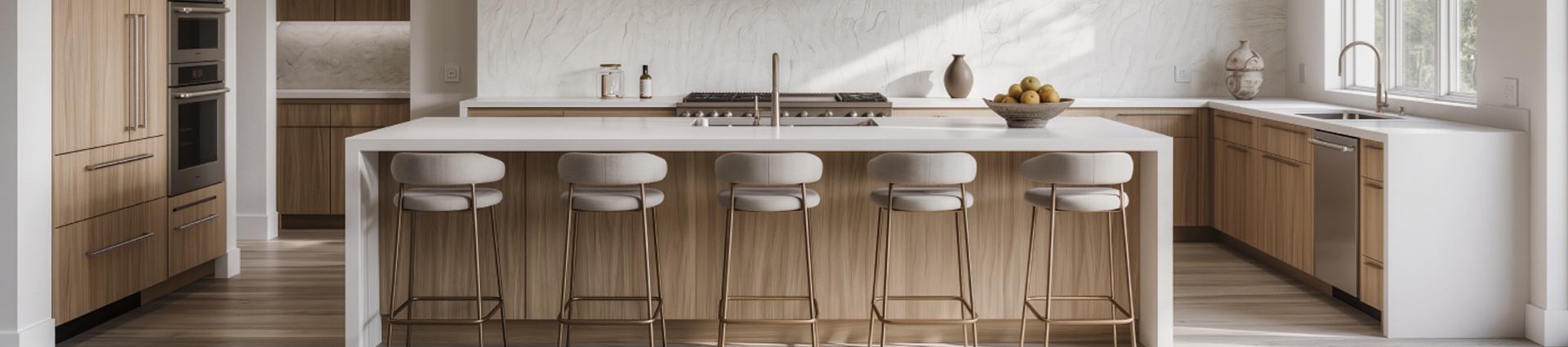
For example, a bar counter high chair is designed for elevated counters and hospitality-style areas. The seat height should match the counter height to provide comfortable posture and easy access.
| Chair Type | Recommended Application | Key Features |
|---|---|---|
| Standard chair | Waiting areas and lounges | Comfortable seating height |
| Counter stool | Retail counters and cafes | Suitable for medium-height counters |
| Bar stool | High counters and beverage areas | Higher seat position |
| Swivel stool | Flexible customer interaction areas | Easy movement and adjustment |
When selecting a high chair for bar table applications, factors such as footrest position, seat support, and stability should be evaluated carefully.
Retail stores usually require furniture that can handle continuous use. Chairs may experience frequent sitting, movement, cleaning, and rearrangement.
A durable retail chair should include:
Strong internal frame structure
Stable base design
Quality connection points
Wear-resistant surface materials
Easy maintenance features
Manufacturers should consider these details during product development because commercial furniture needs consistent performance throughout daily operations.
Retail furniture selection requires balancing visual appeal with practical needs. A chair should support the store environment while providing reliable performance.
For furniture suppliers, offering different sizes, colors, materials, and functions helps meet different retail requirements. Adjustable stools, upholstered chairs, and swivel seating options can expand product choices for various applications.
A well-planned chair collection allows retail spaces to create comfortable customer areas while maintaining consistent design standards. Through proper material selection, functional design, and quality manufacturing, chairs can become a valuable part of modern retail environments.
Share models, materials, quantity and timeline. We reply within 24 hours.


Monday - Friday: 9:00 AM - 6:00 PM (CST)
Saturday: 9:00 AM - 12:00 PM
Sunday: Closed