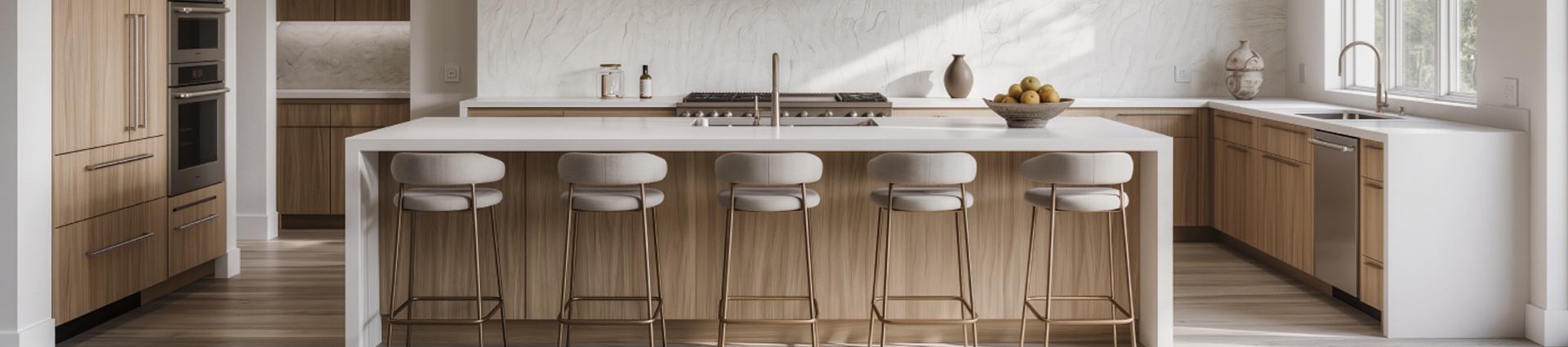
In furniture collections, value is not only defined by cost or material weight. It is defined by how a product is perceived, how it performs in daily use, and how easily it fits into a premium environment. Upholstered chairs have consistently moved toward higher-value positioning because they combine comfort, visual depth, and stronger emotional appeal. For manufacturers and buyers, understanding upholstered chair advantages is essential when building collections that aim for better margins and stronger market positioning.
Comfort is the first signal of quality when a user interacts with a chair. Upholstered seating distributes body pressure more evenly than hard surfaces, reducing discomfort during longer sitting periods. This is particularly important in dining and bar settings where users may remain seated for extended time.
Ergonomic research shows that cushioned seating with proper foam density helps reduce localized pressure points and improves overall sitting experience. Foam densities commonly used in seating range between 28 and 35 kg per cubic meter, providing a balance between softness and support. This level of comfort directly influences how consumers evaluate the product. A chair that feels better is often perceived as more valuable, even before considering design or brand positioning.
This is one of the core upholstered chair advantages. It allows a product to move from basic functionality into a more premium experience category.
Upholstered chairs naturally carry more visual depth compared to non-upholstered designs. Fabric texture, stitching details, and padding contours create a layered look that enhances perceived quality.
Recent interior design directions emphasize warmer, more tactile environments. Textured fabrics, soft finishes, and inviting silhouettes are increasingly preferred over cold, minimal surfaces. Upholstered chairs align well with this shift, making them suitable for higher-end residential and hospitality environments.
Products such as bar high chairs with arms demonstrate how upholstery can elevate a simple structure. The addition of arm support, combined with soft materials, creates a more complete seating form that feels closer to lounge or dining comfort rather than temporary seating. This transition helps justify higher price positioning in the market.
Another key advantage is adaptability. Upholstered chairs can be easily adjusted to fit different design directions by changing fabric, color, or stitching details without altering the core structure.
For example, a single frame can be used across multiple collections by applying neutral fabrics for minimalist interiors, textured materials for warm modern spaces, or deeper tones for more luxurious environments. This flexibility allows manufacturers to expand product lines efficiently while maintaining consistent production processes.
In swivel models such as upholstered swivel bar stools, this adaptability becomes even more valuable. The combination of movement and soft seating fits well in open-plan kitchens, dining areas, and multifunctional spaces, which are increasingly common in modern homes.
Although upholstery is often associated with softness, it can also signal durability when properly designed. High-quality fabrics, reinforced stitching, and stable internal frames contribute to a product that maintains its appearance over time.
Market data from the National Retail Federation highlights that returns are frequently linked to performance issues rather than appearance alone. When a chair maintains comfort and structure after repeated use, it reduces dissatisfaction and strengthens long-term value perception.
A well-made upholstered chair does not only look premium at first glance. It continues to perform consistently, which supports brand trust and repeat purchasing behavior.
From a commercial perspective, upholstered chairs allow for more flexible pricing strategies. Because they offer both functional and aesthetic benefits, they can be positioned in mid to high-end segments more effectively than basic seating.
The added value is not limited to material cost. It comes from the combination of comfort, design, and user experience. This enables manufacturers to justify higher price points while still meeting market expectations.
In many cases, buyers are willing to pay more for products that enhance comfort and visual appeal, especially in residential projects where furniture contributes to the overall atmosphere of the home. Upholstered chairs therefore provide a stronger foundation for premium product lines.
| Value driver | Description | Impact on positioning |
|---|---|---|
| Comfort | Even pressure distribution and soft seating | Increases user satisfaction |
| Visual depth | Fabric texture and layered design | Enhances perceived quality |
| Adaptability | Easy to change materials and colors | Expands product range |
| Durability | Stable structure with quality upholstery | Reduces long-term complaints |
| Market positioning | Suitable for mid to high-end segments | Supports higher pricing |
Meet U Furniture, located in Longjiang, Shunde, operates within a mature furniture manufacturing ecosystem. This allows efficient development of upholstered seating through stable supply chains, consistent material sourcing, and refined production processes.
By focusing on structural integrity, ergonomic balance, and material quality, the company ensures that upholstered products deliver both comfort and durability. This approach supports the creation of collections that align with current market demand while maintaining reliable performance.
Upholstered chairs represent more than a design trend. They reflect a shift toward comfort-driven living environments and more personalized interior spaces. Products like upholstered swivel bar stools and bar high chairs with arms illustrate how combining movement, support, and material richness can elevate a standard seating category.
As consumer expectations continue to evolve, furniture that offers both comfort and visual appeal will remain competitive. Upholstered chairs meet these expectations by delivering a more complete seating experience, making them a key element in building higher-value product collections.
Share models, materials, quantity and timeline. We reply within 24 hours.


Monday - Friday: 9:00 AM - 6:00 PM (CST)
Saturday: 9:00 AM - 12:00 PM
Sunday: Closed