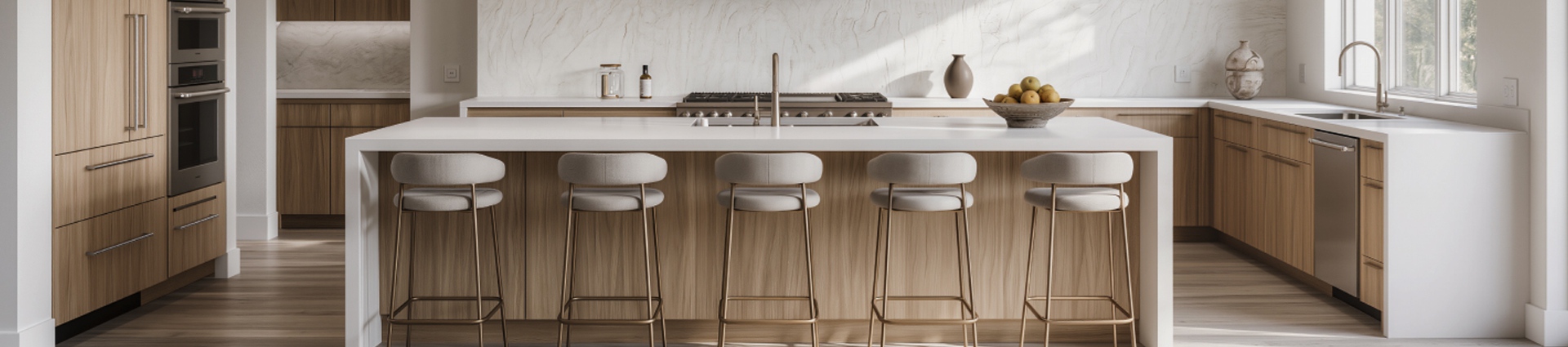
Selecting the right bar stools for commercial projects requires more than considering appearance. Height, durability, materials, comfort, maintenance, and production capability all influence the long-term performance of seating in restaurants, hotels, cafes, and entertainment spaces. A suitable bar stool should match the space design while supporting frequent daily use and reducing replacement costs.
Commercial buyers usually need a clear commercial bar stool selection guide before placing bulk orders because different applications require different structures and finishes. From material selection to customization details, every decision affects customer experience and operational efficiency.
Commercial spaces often have higher usage frequency than residential environments. A chair used several hours every day must maintain structural stability, comfort, and appearance over time.
The main factors to evaluate include:
| Consideration | Why It Matters |
|---|---|
| Seat Height | Ensures proper matching with bar counters and tables |
| Frame Structure | Determines stability and service life |
| Material Selection | Affects appearance, durability, and maintenance |
| Cushion Design | Influences sitting comfort during long periods |
| Surface Finish | Helps resist wear, stains, and daily cleaning |
For example, restaurants may prioritize easy cleaning materials, while boutique hotels may focus more on design details and premium finishes. The same bar stool style may not work for every commercial environment.
Height matching is one of the most common issues in commercial seating projects. A bar stool that is too high or too low can reduce comfort and affect the overall customer experience.
Standard commercial applications usually include:
Counter stools for lower counters and kitchen islands
Bar height stools for traditional bars and beverage areas
Adjustable stools for flexible spaces
Before production, the distance between the seat and countertop should be carefully measured. Generally, a comfortable gap between the seat surface and counter bottom allows enough leg movement.
Material selection directly impacts maintenance requirements and product lifespan. Different industries may require different solutions.
Metal frames are commonly selected for commercial spaces because they provide strong support and structural reliability. Upholstered seats can improve comfort, while leather or fabric options allow different design styles.
Wood elements can create a warmer atmosphere for restaurants and hospitality spaces, but they require suitable surface treatment to handle frequent cleaning.
A professional wholesale bar stool supplier usually provides multiple material combinations to meet different project requirements.
Before confirming a large order, several details should be checked:
First, inspect the connection points between the frame components. Strong welding or fixing methods help prevent loosening after repeated use.
Second, evaluate the balance and stability of the stool. Uneven legs or weak structures may create safety concerns during daily operation.
Third, review sample performance. Testing samples before mass production helps confirm dimensions, colors, materials, and finishing quality.
Meet U focuses on combining design requirements with manufacturing processes to help customers develop seating products suitable for different commercial environments.
Commercial projects often have specific requirements related to brand style, space planning, and customer experience. Standard products may not always meet these needs.
Customization can include:
Seat colors and upholstery materials
Frame finishes
Product dimensions
Packaging solutions
Design adjustments
A customized approach allows businesses to create consistent furniture collections across multiple locations.
Many purchasing problems come from focusing only on the initial price. Lower costs may lead to compromises in materials, structure, or production control.
Common mistakes include:
Selecting designs without considering usage frequency
Ignoring maintenance requirements
Ordering without sample confirmation
Choosing suppliers without production experience
A complete evaluation should consider product performance, supplier communication, production capability, and long-term value rather than only unit price.
Successful commercial seating combines visual appeal with practical performance. A modern design should still provide stability, comfort, and easy maintenance.
The best results usually come from balancing:
Interior style compatibility
User comfort
Production feasibility
Long-term durability
A well-designed bar stool becomes part of the customer experience while supporting efficient commercial operations.
Share models, materials, quantity and timeline. We reply within 24 hours.


Monday - Friday: 9:00 AM - 6:00 PM (CST)
Saturday: 9:00 AM - 12:00 PM
Sunday: Closed