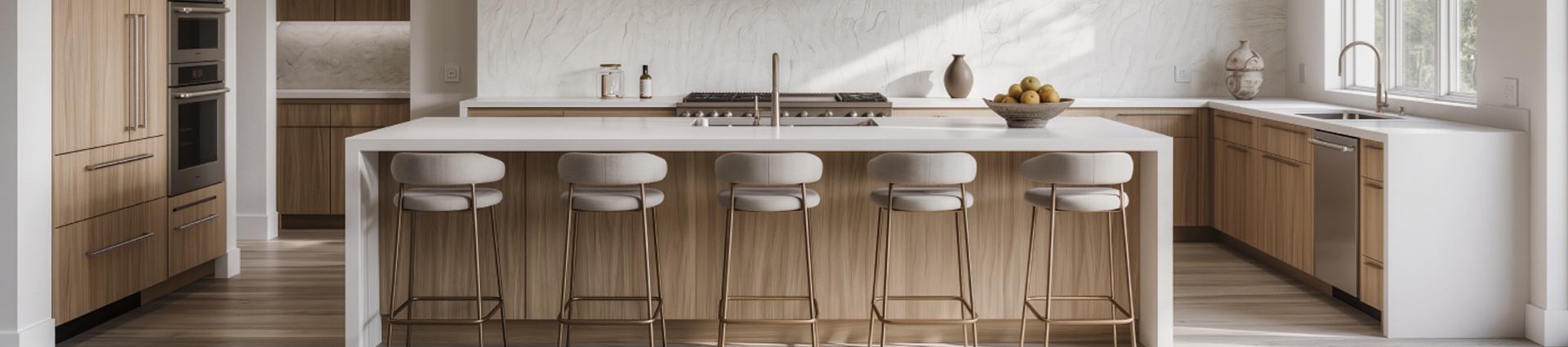
Bar stool color selection plays an important role in furniture sales, interior matching, and space design. A suitable color can influence the atmosphere of a restaurant, kitchen, hotel lounge, or commercial area. For furniture manufacturers, understanding customer preferences and market demand helps create product collections that match different interior styles.
Current furniture markets are moving toward flexible designs, neutral tones, and personalized color combinations. A successful bar stool collection should include popular colors while maintaining enough variety for different applications.
Color is one of the first visual elements customers notice when choosing furniture. It affects how a space feels and how well a product matches existing decoration styles.
According to research from the Institute for Color Research, people make subconscious judgments about products within seconds, and color can influence purchase decisions significantly. In furniture applications, this means color selection can directly affect how products are perceived in showrooms, hospitality spaces, and residential environments.
Manufacturers need to consider not only current preferences but also long-term usability. A balanced color strategy helps create products that remain suitable for different interior styles.
Neutral colors continue to have strong demand because they are easy to combine with different materials and decoration styles. Black, gray, beige, and white are commonly selected for restaurants, hotels, and modern homes.
| Color | Design Style | Suitable Applications |
|---|---|---|
| Black | Modern and industrial | Bars, restaurants, offices |
| Gray | Neutral and contemporary | Hotels, kitchens, commercial spaces |
| Beige | Warm and natural | Residential interiors, cafes |
| White | Clean and minimal | Modern kitchens and dining areas |
| Brown | Classic and elegant | Restaurants and hospitality spaces |
| Green | Natural and refreshing | Lifestyle cafes and creative spaces |
These colors provide flexibility for different furniture collections and help suppliers serve multiple market segments.
Gray and black bar stools are widely used because they create a professional and timeless appearance. They can match metal frames, wooden surfaces, stone countertops, and various interior backgrounds.
Gray tones are especially popular in modern interiors because they balance warmth and simplicity. Many contemporary spaces use gray seating to create a clean visual effect without making the environment feel too cold.
For manufacturers developing bar stool color trends, neutral colors often serve as the foundation of a product range because they have broader application possibilities.
While neutral colors dominate many commercial applications, accent colors are becoming more common in restaurants, cafes, and creative spaces. Bright colors can help create memorable environments and strengthen visual identity.
Products such as orange dining room chairs can add energy and warmth to dining areas. Other accent colors, including green, blue, and terracotta, are often used to create distinctive interior themes.
However, accent colors should be selected carefully because bold colors may have narrower application ranges. A practical collection usually combines popular neutral options with selected statement colors.
Different furniture colors create different visual effects. Understanding these relationships helps manufacturers develop products suitable for various markets.
| Interior Style | Recommended Colors |
|---|---|
| Modern minimalist | Gray, white, black |
| Industrial style | Black, dark gray, brown |
| Scandinavian style | Beige, light gray, natural tones |
| Luxury hospitality | Deep green, dark blue, charcoal |
| Casual dining | Warm beige, brown, soft colors |
Modern dining chair colors are often influenced by broader interior design trends. Products that combine practical materials with adaptable colors can fit more applications.
For furniture manufacturers, color planning should consider material options, production efficiency, and market demand. Offering too many colors may increase inventory pressure, while limited choices may reduce market flexibility.
A practical approach is to develop a basic color collection with high-demand shades and add seasonal or customized options according to customer requirements. This method helps maintain production efficiency while supporting different market preferences.
Bar stool colors are not only a design choice but also a reflection of lifestyle trends and commercial needs. A well-planned color range allows furniture products to adapt to changing interiors and provide more suitable solutions for different spaces.
Share models, materials, quantity and timeline. We reply within 24 hours.


Monday - Friday: 9:00 AM - 6:00 PM (CST)
Saturday: 9:00 AM - 12:00 PM
Sunday: Closed