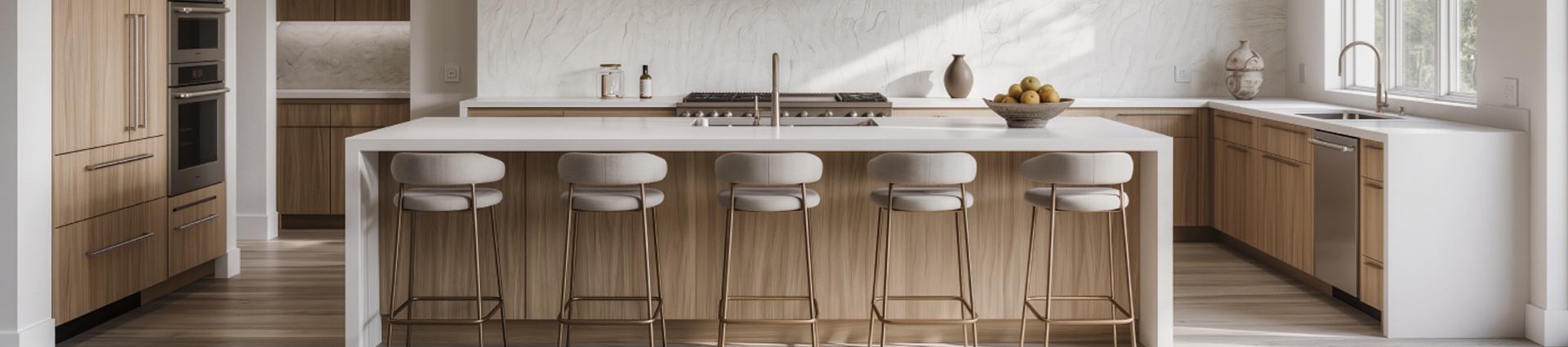
Furniture export involves more than product design, material selection, and production capacity. Different markets have different requirements for product safety, environmental performance, and manufacturing control. Understanding the right certifications helps furniture suppliers reduce customs risks, improve product reliability, and meet the expectations of distributors, retailers, hospitality companies, and commercial buyers.
A proper furniture export certification strategy should be based on the destination market, product category, and application environment. Dining Chairs, bar stools, bathroom furniture, cabinets, and commercial seating may require different testing standards because they face different safety and durability requirements.
Furniture certification requirements are mainly focused on safety, material quality, environmental impact, and production management. A clear compliance guide can help manufacturers select suitable certifications before entering international markets.
| Certification or Standard | Main Purpose | Common Application |
|---|---|---|
| ISO 9001 | Quality management system control | Furniture production and factory management |
| FSC Certification | Responsible wood sourcing | Wooden furniture and wood-based materials |
| REACH Compliance | Chemical substance control | Furniture materials sold in European markets |
| RoHS Compliance | Restriction of hazardous substances | Products containing electronic components |
| BIFMA Standards | Performance and safety testing | Office and commercial furniture |
| EN Standards | European safety requirements | Seating and household furniture |
For furniture manufacturers, ISO 9001 is one of the most recognized management system certifications. It focuses on production processes, quality control procedures, supplier management, and continuous improvement.
An ISO certified furniture factory usually follows standardized procedures from incoming material inspection to final product inspection. This helps reduce production variation and improve consistency for large-volume orders.
According to the International Organization for Standardization, more than one million companies and organizations across over 170 countries have adopted ISO 9001 quality management systems. This global recognition makes it an important reference when evaluating manufacturing capability.
Furniture used in restaurants, hotels, offices, and public spaces often requires higher durability than residential products. Commercial furniture safety standards focus on structural strength, stability, load capacity, and long-term performance.
For seating products such as bar stools and counter chairs, testing may include frame strength, base stability, backrest durability, and repeated load testing. These evaluations help ensure that products can handle frequent daily use.
Different regions have their own testing requirements. European markets often refer to EN standards, while North American commercial furniture applications may consider performance standards developed for workplace and public environments.
Material compliance has become an important part of international furniture trade. Buyers increasingly pay attention to whether materials meet environmental and chemical safety requirements.
For furniture using wood panels, coatings, adhesives, fabrics, plastics, or metal components, manufacturers need to control restricted substances and material safety. REACH requirements in the European Union regulate thousands of chemical substances to protect human health and the environment.
FSC certification is also widely recognized for wood products because it verifies that materials come from responsibly managed forests. For furniture collections using wooden structures or decorative elements, responsible sourcing can improve market acceptance.
Certification requirements depend on how and where the furniture will be used. A restaurant chair, office chair, and residential cabinet may follow different evaluation methods.
| Furniture Category | Common Certification Focus |
|---|---|
| Bar stools and dining chairs | Structural strength, stability, durability |
| Office furniture | Ergonomic performance and safety testing |
| Wooden cabinets and storage units | Material sourcing and chemical compliance |
| Hospitality furniture | Durability, fire safety, and commercial performance |
| Furniture with lighting components | Electrical safety and component compliance |
Certification is not only a document requirement. It reflects how a manufacturer controls materials, production processes, and product performance. A complete certification system supports smoother communication, more reliable quality control, and better preparation for different international markets.
A professional furniture export certification plan should combine factory management standards, product testing, and material compliance. Manufacturers with clear quality procedures can respond more efficiently to different market requirements and provide more dependable furniture solutions for global distribution.
Understanding certification requirements before production helps reduce unexpected adjustments and supports long-term cooperation in international furniture supply.
Share models, materials, quantity and timeline. We reply within 24 hours.


Monday - Friday: 9:00 AM - 6:00 PM (CST)
Saturday: 9:00 AM - 12:00 PM
Sunday: Closed