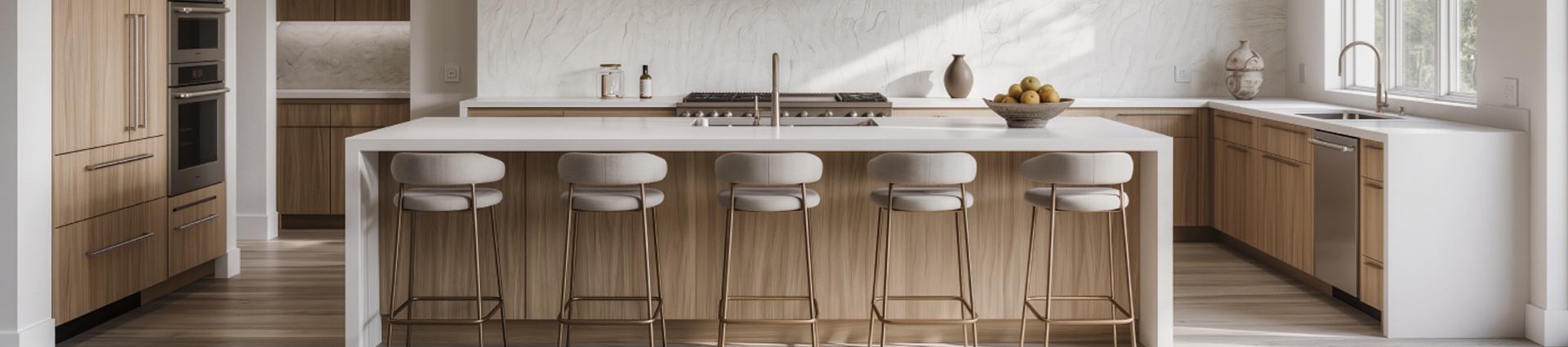
Shipping damage is one of the most common causes of product loss and customer complaints in furniture trade. For chairs and bar stools, even small impacts during transportation can lead to scratches, deformation, loose joints, or structural issues. Preventing these problems requires more than basic protection. It requires a systematic approach to furniture packaging solutions that considers product structure, transport conditions, and handling processes.
In global logistics, furniture often travels long distances through multiple stages, including factory handling, container loading, ocean shipping, and final delivery. Each stage introduces risks such as vibration, compression, and collision. A well-designed safe furniture shipping method must address all of these factors to ensure products arrive in perfect condition.
Before improving packaging, it is important to identify where damage occurs. The most common causes include:
Impact during loading and unloading
Vibration over long-distance transport
Compression from stacking in containers
Friction between products inside packaging
According to logistics data from the International Safe Transit Association, a significant portion of product damage occurs due to insufficient cushioning and poor packaging design rather than extreme external forces. This highlights that proper packaging can prevent most damage if designed correctly.
Effective packaging relies on multiple layers of protection. Each layer serves a specific purpose, from absorbing shock to preventing surface damage.
Common materials used in furniture packaging solutions include:
Foam sheets or blocks for impact absorption
Polyethylene bags or non-woven fabric for surface protection
Corrugated cartons for structural support
Corner protectors to reinforce edges
A layered system ensures that energy from external impact is absorbed before reaching the product. For example, foam protects against shock, while outer cartons maintain structural integrity.
For seating products, special attention should be given to legs, edges, and upholstered surfaces, as these areas are most vulnerable during transport.
Knock-down packaging, also known as flat-pack packaging, is widely used in furniture logistics. It involves disassembling products into smaller components before packing.
This approach offers several advantages:
Reduces the risk of structural stress during transport
Allows better use of container space
Minimizes movement inside the package
For bar stools and Dining Chairs, removing legs or separating components can significantly reduce the chance of damage. When combined with proper internal fixing, knock-down packaging becomes a reliable safe furniture shipping method.
One of the key principles in packaging design is preventing internal movement. Even well-protected products can be damaged if they shift inside the carton.
Internal fixation methods include:
Foam inserts to hold components in place
Straps or ties to secure parts
Partition boards to separate items
By keeping each component stable, the risk of friction and collision is greatly reduced. This is especially important for products with multiple parts or delicate finishes.
The outer carton plays a critical role in protecting furniture during stacking and transport. It must be strong enough to withstand compression without collapsing.
Export cartons are typically made from multi-layer corrugated board, designed to handle the weight of stacked goods in containers. The export furniture packaging standard often requires cartons to pass compression tests to ensure they maintain shape under pressure.
Choosing the right carton strength depends on product weight, size, and stacking conditions. Reinforced cartons help prevent deformation and protect the contents inside.
Ocean shipping exposes furniture to humidity and temperature changes. Moisture can damage materials, especially wood and upholstery.
To address this, packaging should include:
Plastic wrapping to prevent moisture penetration
Desiccants inside cartons to absorb humidity
Sealed packaging to reduce exposure to external conditions
Moisture protection is an essential part of any export furniture packaging standard, particularly for shipments traveling through humid environments.
Different types of furniture require different packaging strategies.
| Product type | Packaging focus | Key protection method |
|---|---|---|
| Bar stools | Leg protection and stability | Foam wrapping and corner guards |
| Dining chairs | Upholstery and frame protection | Fabric covers and internal fixation |
| Swivel chairs | Mechanism protection | Reinforced base packaging |
| Wooden chairs | Surface and moisture protection | Film wrapping and desiccants |
This targeted approach ensures that each product receives the appropriate level of protection based on its structure and material.
Packaging alone cannot prevent damage if loading practices are poor. Proper container loading is an important part of the overall safe furniture shipping method.
Best practices include:
Even weight distribution داخل the container
Avoiding excessive stacking pressure
Securing cargo to prevent shifting أثناء transit
These measures work together with packaging design to reduce the risk of damage during transportation.
Meet U Furniture, located in Longjiang, Shunde, operates within a mature manufacturing and logistics environment. This allows the company to integrate packaging design with production processes, ensuring that each product is prepared for export conditions.
By applying structured furniture packaging solutions, including layered protection, internal fixation, and reinforced cartons, the company minimizes shipping risks and improves delivery reliability. Experience in exporting bar stools and dining chairs also enables better adaptation to different market requirements and logistics conditions.
Packaging should not be treated as an afterthought. It is an extension of product quality and a critical factor in customer satisfaction. A well-designed packaging system protects the product, reduces costs related to damage, and strengthens brand reputation.
By following established export furniture packaging standard practices and continuously improving packaging methods, manufacturers can ensure that their products reach customers in optimal condition, regardless of distance or transport complexity.
Share models, materials, quantity and timeline. We reply within 24 hours.


Monday - Friday: 9:00 AM - 6:00 PM (CST)
Saturday: 9:00 AM - 12:00 PM
Sunday: Closed